Streamlining Your Print-on-Demand Workflow with Greeting Cards - Canva Frame POD Mockup
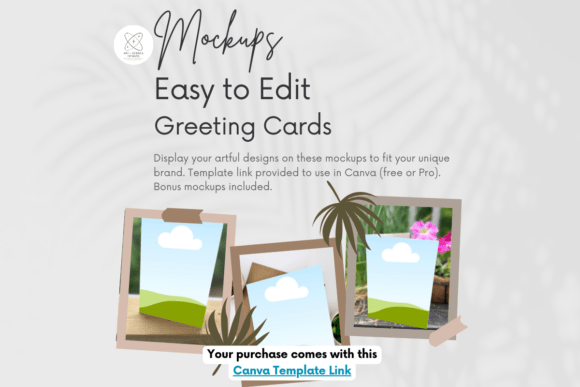
In the competitive landscape of print-on-demand (POD), the difference between a browser scrolling past and a customer clicking "add to cart" often comes down to visual presentation. For entrepreneurs, designers, and small business owners managing product listings on platforms like Printify and MWW, the ability to showcase designs in a realistic, high-quality context is non-negotiable. This is where the Greeting Cards - Canva Frame POD Mockup becomes an essential asset in your operational toolkit. It is not merely a static image; it is a functional component of a broader design and marketing workflow that bridges the gap between digital creation and physical product expectation.
Integrating these mockups into your process addresses a common bottleneck: the time and technical skill required to create professional product visuals. Traditionally, achieving a photorealistic look demanded advanced proficiency in Photoshop, expensive software subscriptions, and hours of manual layering and shadow adjustments. The modern workflow, however, prioritizes efficiency without sacrificing quality. By utilizing a dedicated frame mockup compatible with both Canva Free and Pro versions, you streamline the visualization phase, allowing you to focus more on design iteration and less on file manipulation.
Strategic Placement in the Design Lifecycle
Understanding where the Greeting Cards - Canva Frame POD Mockup fits within your project timeline is crucial for maximizing its utility. It serves as a pivotal touchpoint at three distinct stages: pre-production validation, listing optimization, and post-launch marketing.
During the pre-production phase, these mockups act as a proofing tool. Before you ever upload a file to a POD provider, you need to verify how your artwork interacts with the physical dimensions and texture of a greeting card. A flat digital file often hides scaling issues or edge-cutting risks. By dragging your design into the Canva frame, you instantly see how the artwork sits within the card's borders. This immediate visual feedback loop allows for rapid adjustments, ensuring that text remains legible and critical design elements are not lost to trimming errors. It transforms abstract design decisions into concrete visual data.
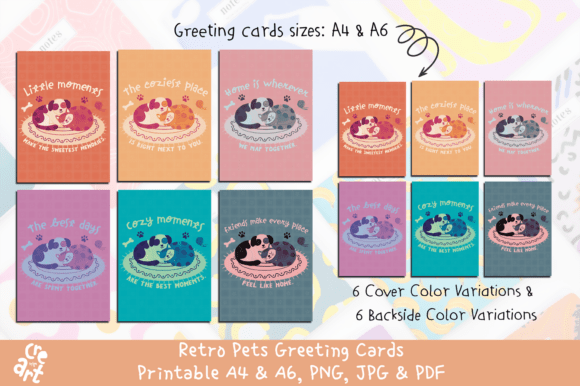
Once the design is finalized, the mockup shifts to the listing optimization stage. Platforms like Printify and MWW provide generic base images, but these rarely convey the unique brand identity you are building. Custom mockups allow you to present your greeting cards in lifestyle settings or clean, branded environments that resonate with your target audience. Whether you are selling minimalist botanical cards or vibrant holiday greetings, the context provided by a high-resolution mockup elevates the perceived value of the product. This is where the psychological aspect of sales comes into play; customers buy the feeling and the utility of the card, not just the ink on the paper.
Finally, in the marketing and promotion phase, these assets become the backbone of your social media strategy. Consistency is key to brand recognition. Using the same style of mockup across Instagram, Pinterest, and your ecommerce store creates a cohesive visual language. Because the Greeting Cards - Canva Frame POD Mockup is available in versatile formats including PNG with frame, SVG, and PDF, you can adapt the same core asset for different channels—using high-res PNGs for product pages and optimized SVGs for web graphics or scalable vector needs.
Technical Integration and Compatibility
A major advantage of this specific mockup resource is its seamless integration with tools you likely already use. The inclusion of a direct Canva template link removes the friction of file setup. Whether you are operating on a tight budget with the free version of Canva or leveraging the advanced features of Canva Pro, the template is fully compatible. This democratizes access to professional-grade visuals, ensuring that freelancers and hobbyists can compete visually with established agencies.
For those who prefer Adobe Photoshop or the browser-based alternative Photopea, the availability of layered files ensures you retain full control over lighting, shadows, and background elements. This flexibility is vital for maintaining quality control. You might need to adjust the brightness of a scene to match your website's aesthetic or change the background to align with a seasonal campaign. Having the source files in multiple formats means you are never locked into a single look.
The workflow interaction is straightforward. You begin by accessing the template link, which opens a pre-configured canvas. From there, you utilize the "frame" feature in Canva to drop your design directly into the card slot. The smart framing automatically masks your image to fit the card's perspective, handling the complex geometry for you. This process reduces the margin for human error and ensures that every product image maintains a consistent angle and lighting profile, which is critical for building trust with potential buyers.
Optimizing for Printify and MWW
When working specifically with POD giants like Printify and MWW, understanding their file requirements and display limitations is part of the planning process. These platforms often have specific DPI (dots per inch) recommendations to ensure sharp printing. The high-resolution nature of these mockups ensures that when you export your final listing images, they remain crisp even when zoomed in by a customer. Blurry or pixelated product images are a primary reason for abandoned carts; investing in sharp, professional results directly impacts conversion rates.
Furthermore, these platforms allow for variant selection. If you offer greeting cards in different sizes or paper stocks, you can use the mockup system to generate visuals for each variation quickly. Instead of photographing physical samples of every single design—which is costly and time-consuming—you can digitally simulate the entire catalog. This scalability is essential for sellers managing large inventories. It allows for rapid testing of new designs; if a particular style isn't performing well, you can swap it out in the mockup and update the listing in minutes rather than days.
Practical Implementation Tips for Long-Term Efficiency
To get the most out of the Greeting Cards - Canva Frame POD Mockup, organization is paramount. As your library of designs grows, so too will your library of mockup files. Establish a clear naming convention for your exported images immediately. Include the design name, the mockup angle, and the date in the filename. This simple habit saves hours of searching later when you need to update a specific listing or create a seasonal promotion bundle.
Another pro tip involves batch processing. If you have a collection of ten new holiday designs, do not open and close the template ten separate times. Open the Canva template, duplicate the page for each design, and upload all your artworks at once. Then, proceed to export them as a batch. This method leverages the tool's capabilities to handle volume, significantly cutting down on production time.
It is also wise to consider the contextual background. While the mockup provides the card and the frame, the environment surrounding it tells a story. Use Canva's extensive library of elements to add subtle props—a cup of coffee, a sprig of greenery, or a textured table surface—that align with your brand's vibe. However, exercise restraint; the focus must remain on the greeting card design itself. Over-cluttering the scene can distract from the product you are trying to sell.
Consistency in lighting and color grading across your mockups reinforces professionalism. If one image looks like it was taken in bright sunlight and another in a dim studio, your storefront can appear disjointed. Stick to a standard set of backgrounds or lighting presets within your mockup templates to ensure a unified look across your entire shop.
Conclusion: Elevating Your Brand Standard
The transition from a concept to a sellable product in the print-on-demand space requires more than just a good design; it requires a good presentation. The Greeting Cards - Canva Frame POD Mockup is more than a download; it is a strategic implementation tool that enhances your workflow from ideation to sales. By reducing the technical barriers to creating high-end visuals, it empowers creators to maintain a consistent, professional brand image without needing a dedicated photography studio or a team of graphic designers.
Whether you are refining your portfolio, launching a new store on Printify, or refreshing your social media presence, integrating these versatile assets allows you to work smarter. The instant digital download format means there is no waiting period; you can begin upgrading your visuals immediately. In a market where attention is the most valuable currency, providing your customers with clear, attractive, and realistic representations of your products is the most effective way to secure their interest and drive long-term business growth. Start designing with ease, and let your work speak for itself through the clarity of professional mockups.